
Blog
Posted September 29, 2026
Understanding My Accounts – What Should I Actually Be Looking At?
We prepare hundreds of accounts every year and, quite understandably, many clients have exactly the same question, what should I actually be looking at? For many business owners, the accounts meeting is the only time each year they sit down and properly look at the financial performance of the business.
You don’t need an accounting qualification, and you certainly don’t need to spend an evening reading every note at the back of the report, or a full day analysing the information. What you do need to understand is what the numbers are actually telling you about your business. That’s the main reason why we encourage clients to sit down with us once the accounts have been completed. The filing side is important, but the useful part is understanding what actually happened over the last twelve months and what you might want to do differently this year.
Was It Actually a Good Year?

When most business owners think about their accounts, they immediately jump to one number: profit. Whilst profit is obviously important, it isn’t usually the first thing we discuss in a review meeting. Instead, we start by asking a much broader question: was it actually a good year for the business?
That may sound obvious, but the answer isn’t always as straightforward as you might think. We’ve seen businesses increase turnover significantly, take on new staff, win new customers and appear to be growing strongly, only to discover that profits have barely moved once the dust settles. Equally, we’ve seen businesses experience only modest sales growth but achieve their strongest financial performance because they’re pricing better, controlling costs more effectively or focusing on more profitable work.
The headline numbers only tell part of the story. What we’re really looking for is whether the business is in a better position than it was this time last year.
Are You Getting a Fair Return for the Effort?
Running a business isn’t easy, the business owner is usually carrying the responsibility for staff, customers, cashflow, compliance and just about everything else in between. That’s why one of the questions we often find ourselves discussing is whether the profit generated is actually rewarding the owner for the level of risk and effort involved. A profit figure in isolation doesn’t tell us very much, a business making £80,000 profit may look healthy on paper, but if the owner is working sixty-hour weeks, firefighting problems every day and taking all the financial risk, the return might not feel quite so impressive. On the other hand, a business producing similar profits with strong systems, dependable staff and a manageable workload presents a very different picture.
Sometimes the most valuable conversation isn’t about how much profit was made, it’s about whether the business is delivering what the owner wants from it.
 What Are the Margins Telling Us?

One area we nearly always review is gross profit margin, whilst turnover gets most of the attention, margins often tell us far more about what is really happening beneath the surface. For example, a business can grow sales year after year whilst gradually becoming less profitable. Rising supplier costs, additional labour, increased overheads or a tendency to discount prices to win work can all chip away at margins over time, because these changes tend to happen gradually, many owners don’t notice them whilst they’re busy running the business.
When we compare the figures against previous years, patterns often begin to emerge, the accounts can highlight issues that aren’t obvious from looking at the bank balance or reviewing sales figures alone. Sometimes a small change in margin can explain why the business feels like it’s working harder than ever without seeing the rewards.
If You’ve Made a Profit, Understanding Annual Accounts, Where Has the Cash Gone?
This is probably the question we’re asked most often, business owners are often surprised when the accounts show a healthy profit, yet the bank account doesn’t seem to reflect it. In many cases, they’ve assumed the two things should move together. Unfortunately, business finance is rarely that straightforward.
The explanation can be found in a number of places, customers may be taking longer to pay, meaning profits are sitting in unpaid invoices rather than the bank. The business may have invested in equipment, vehicles or stock, loans may have been repaid during the year, or the owners may simply have extracted money from the business to fund their personal lives.
One of the most useful aspects of an accounts review meeting is helping clients understand where the cash has actually gone. Once you understand that, it’s often much easier to make informed decisions about pricing, credit control, borrowing or future investment.
Our recent blog “How Much Profit Should a £1 Million Turnover Business Make?” is an interesting read: How Much Profit Should a £1 Million Turnover Business Make? – Whitesides Chartered Accountants
What Has Changed Since Last Year?
Sometimes the most valuable thing in a set of accounts isn’t an individual figure. It’s spotting a trend. Businesses rarely run into trouble overnight, there are often small signs that appear long before a problem develops. Debtor balances start increasing, margins begin to narrow or costs gradually rise faster than income. Individually, none of these things may be alarming, but together they can reveal a direction of travel. Equally, positive trends are just as important to recognise. Perhaps profits are improving steadily, cash reserves are strengthening, or the business has become less reliant on a small number of customers, these are all signs that the business is becoming more resilient. Looking at accounts in isolation is useful, but comparing them with previous years is where the real insight often comes from.
What Happens Next?
The most important part of the meeting is usually when we stop talking about last year. Once we’ve understood what the accounts are telling us, the conversation naturally shifts towards the future. Are profits strong enough to support growth plans? Is there scope to recruit? Should pricing be reviewed? Could tax planning be improved? Is the owner getting closer to the personal and financial goals they set out to achieve?
This is usually where the meeting becomes most useful. The accounts are looking back at what happened last year, but the conversation is really about what you do next. For many clients, that’s when the meeting moves beyond simply ticking the compliance box and becomes a useful conversation about how they can run the business better.
Don’t Just File Them Away
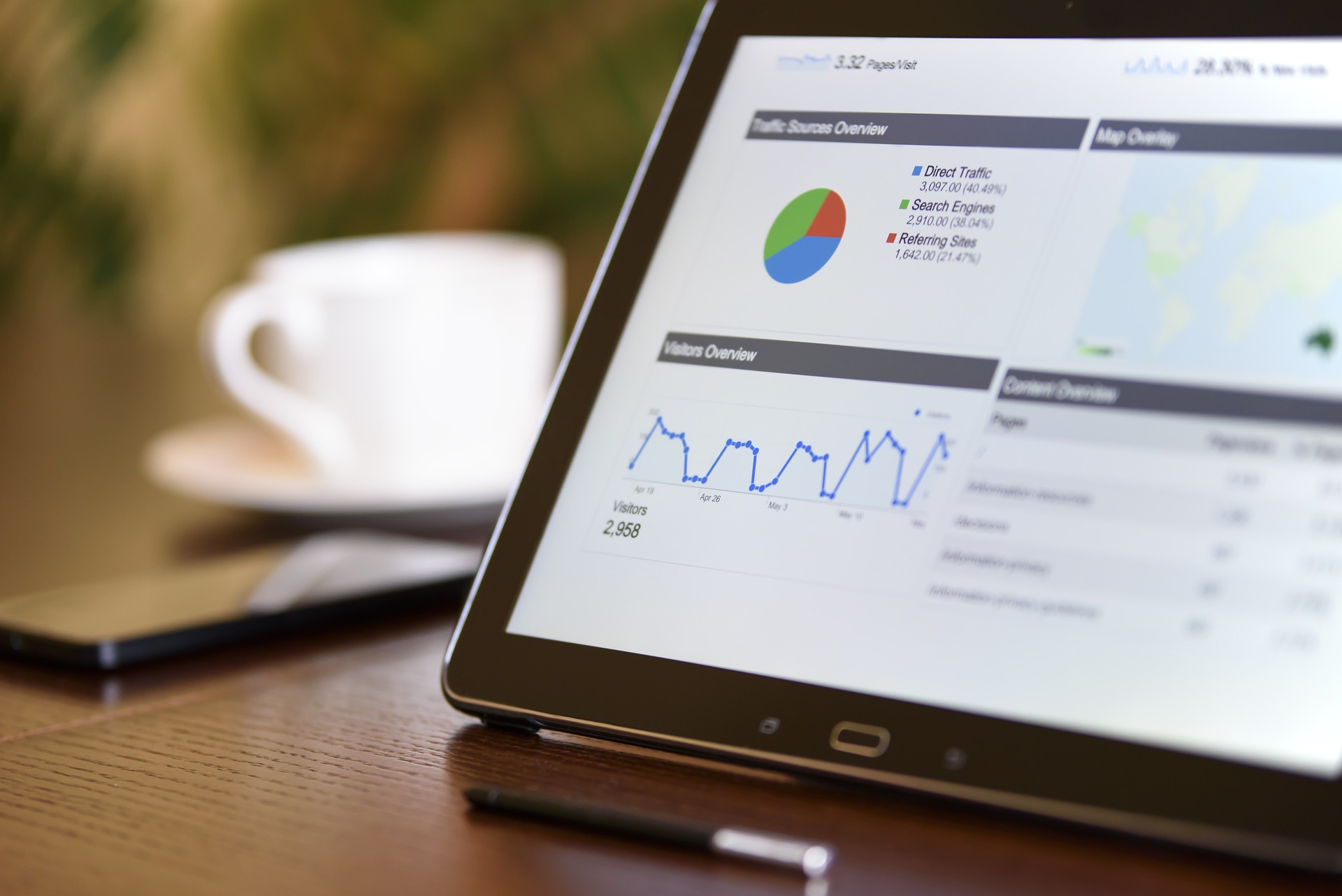
It’s easy to view a set of accounts as something that has to be done each year, a deadline completed and one of many boxes to tick when running a business. In reality, they’re one of the best opportunities you’ll get to step back from the day-to-day demands of running a business and look at the bigger picture. They can highlight what’s working, identify risks before they become problems and help you focus on the areas that will make the biggest difference over the next twelve months.
So the next time your accountant sends you a completed set of accounts, don’t just glance at the profit figure and file them away. Take the opportunity to understand the performance behind the numbers. Because whilst the accounts explain where your business has been, the real value lies in using them to decide where it goes next.
SERVICES
LATEST NEWS
CATEGORIES
- Blog (177)
- Business Advice (74)
- Just For Fun (19)
- Tax Tips (53)
- Video (8)