Blog
Posted August 4, 2026
Is It Too Hot To Work? The Debate Around Maximum Workplace Temperatures!
Like most conversations in Britain, the hot topic (pardon the pun) in our office has been the weather.
With temperatures regularly pushing into the high twenties and beyond, a petition calling for a legally enforceable maximum workplace temperature has gathered thousands of signatures and reignited the debate about what employers should do when the office starts to feel more like the Mediterranean.
We are fortunate that part of our office is air conditioned but with the third heat wave still ongoing, the air conditioned part of the office has suddenly become a very popular place to work! It makes deciding what to wear to work challenging, do you go full snowsuit hoping you get a desk in the “cool” area or board shorts assuming you will be baking in 30°C heat!
Joking aside, the discussion raises some interesting questions for business owners.
Should There Be A Maximum Workplace Temperature?
Current UK legislation requires employers to provide a reasonable working temperature, but there is no legal maximum temperature at which employees must stop work. Employers are expected to assess risks and take sensible steps to protect staff from excessive heat.
Supporters of the petition argue that clear limits would provide certainty for both employers and employees. After all, most people would agree that sitting in an office that’s 30°C or more is unlikely to be comfortable or productive. The challenge is that not all workplaces are the same. An air-conditioned office and a commercial kitchen present very different environments. Likewise, someone working outdoors, on a construction site or in a warehouse faces different challenges from somebody sat at a desk.
What Would The Cost Be?
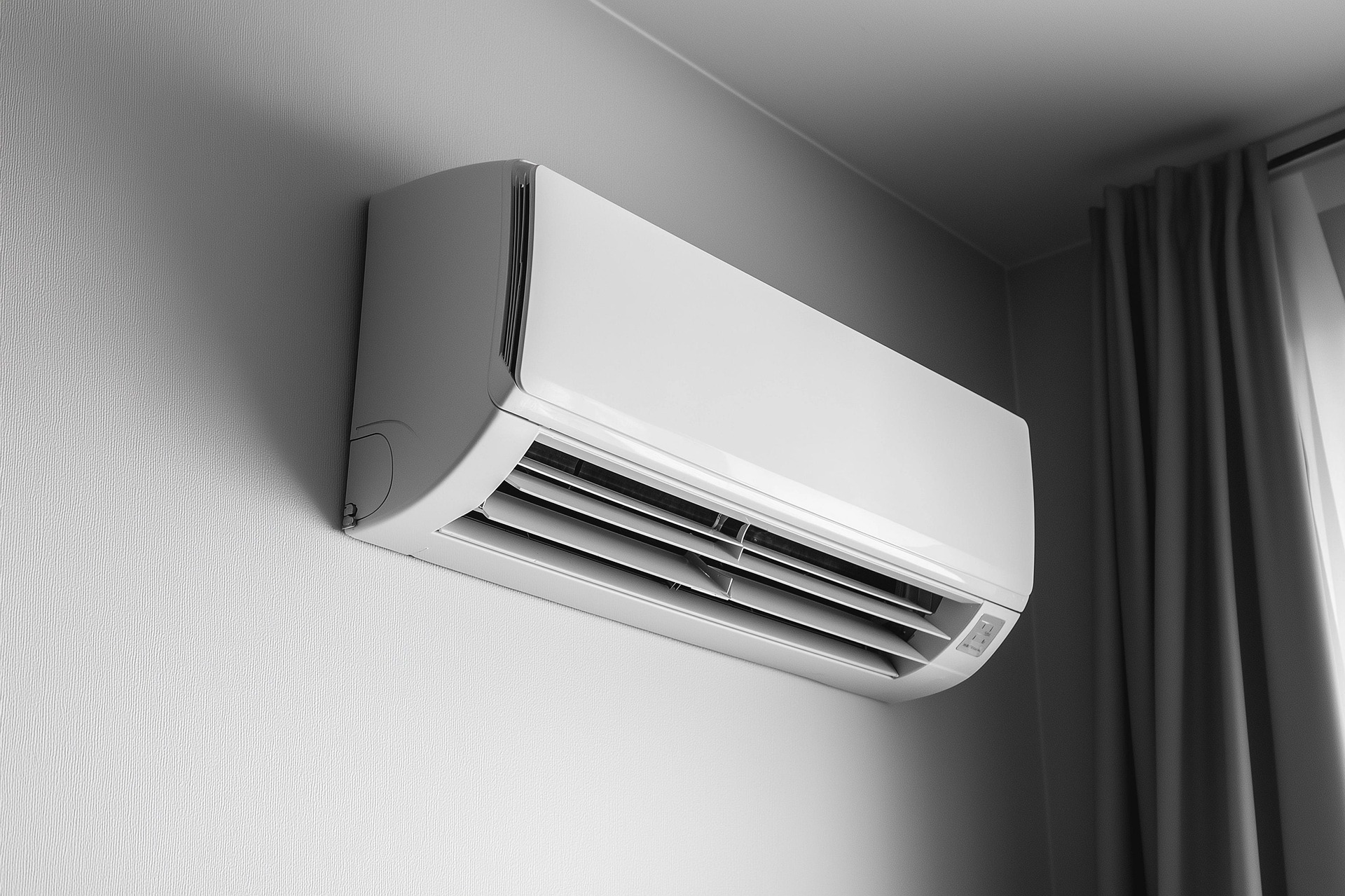
This is where things get interesting. If the UK were to introduce a legal maximum workplace temperature, many businesses would inevitably look at installing air conditioning or upgrading existing systems. For some businesses this may be a relatively straightforward decision. For others, particularly larger or older buildings, the costs could be significant.
And then there’s the practical question: who is going to install it all?!
Many sectors are already facing skills shortages. If every office, warehouse and workshop suddenly needed air conditioning upgrades, demand for qualified air-conditioning contractors could increase dramatically. Whilst it would no doubt be positive news for air conditioning businesses, there may not be enough capacity in the market to deliver such large-scale changes quickly.
 Could Businesses Claim Tax Relief?
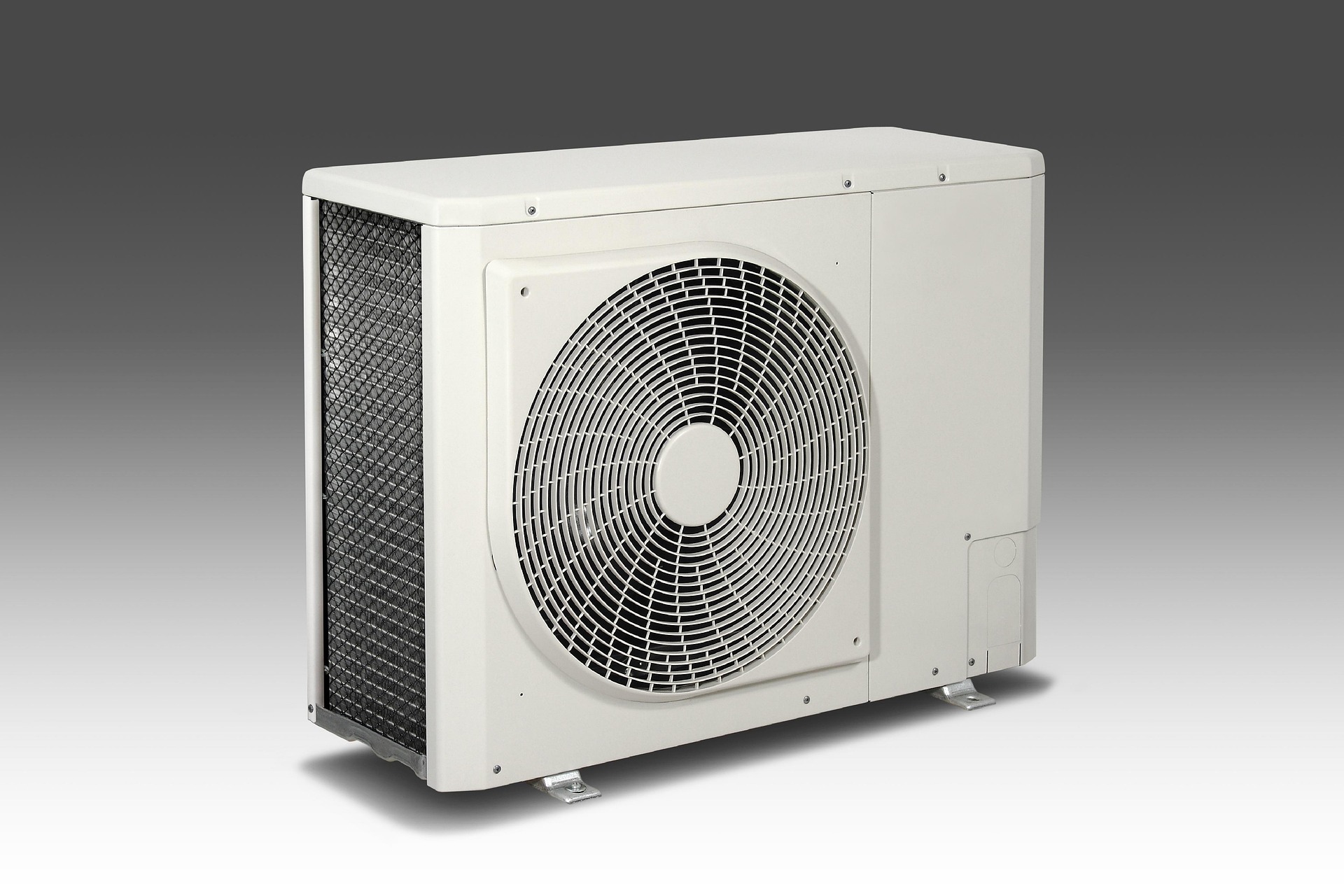
From a tax perspective, the answer is often yes. Air conditioning systems are classed as an integral feature and where they are installed for business purposes, the expenditure may qualify for capital allowances, allowing businesses to obtain tax relief on part or all of the cost, depending on their circumstances. The exact treatment will depend on the nature of the expenditure and the business involved, but it is certainly an area worth discussing before any significant investment is made.
For businesses considering wider improvements, it’s also worth investigating whether any local grants or energy-efficiency funding schemes are available. These can vary over time and by location, but they can sometimes reduce the overall cost of planned improvements.
A Wider Business Issue
Whilst most employees would undoubtedly welcome cooler working conditions, legislation can often have consequences beyond the original intention. Small businesses are already managing rising employment costs, increased wage pressures and higher operating expenses. Any future requirement for significant workplace upgrades could add another item to an already lengthy list of costs. That doesn’t mean improvements shouldn’t happen. Most business owners want comfortable working environments for their staff, the challenge is finding a balance between protecting employees and ensuring new rules remain practical and affordable for employers.
For Now, We’ll Keep Competing For The Air-Conditioned Desks!

As accountants, we’re probably not going to solve the debate around maximum workplace temperatures.
For now, our plan is much simpler: keep a fan on the desk, drink plenty of water and try to secure one of the prized air-conditioned desks before everybody else arrives.
However, if your business is considering investing in air conditioning, energy-efficiency upgrades or other workplace improvements, it is worth taking advice before committing significant expenditure. Understanding the available tax reliefs and funding opportunities could make the investment more affordable than you think.
If you’re planning capital expenditure and would like advice on the tax implications, get in touch with the team at Whitesides. We’d be happy to help.
SERVICES
LATEST NEWS
CATEGORIES
- Blog (177)
- Business Advice (74)
- Just For Fun (19)
- Tax Tips (53)
- Video (8)