
Blog
Posted September 8, 2026
Survival Planning: Could you cope with a 20% Drop in Sales
Most business owners spend a lot of time thinking about growth, but what if sales fell?
How do we win more work? Can we recruit another member of the team? Should we invest in new systems? What would it take to reach the next level?
They’re all sensible questions. Another question gets far less attention. It tells you more about a business’s strength.
What would happen if sales fell by 20%?
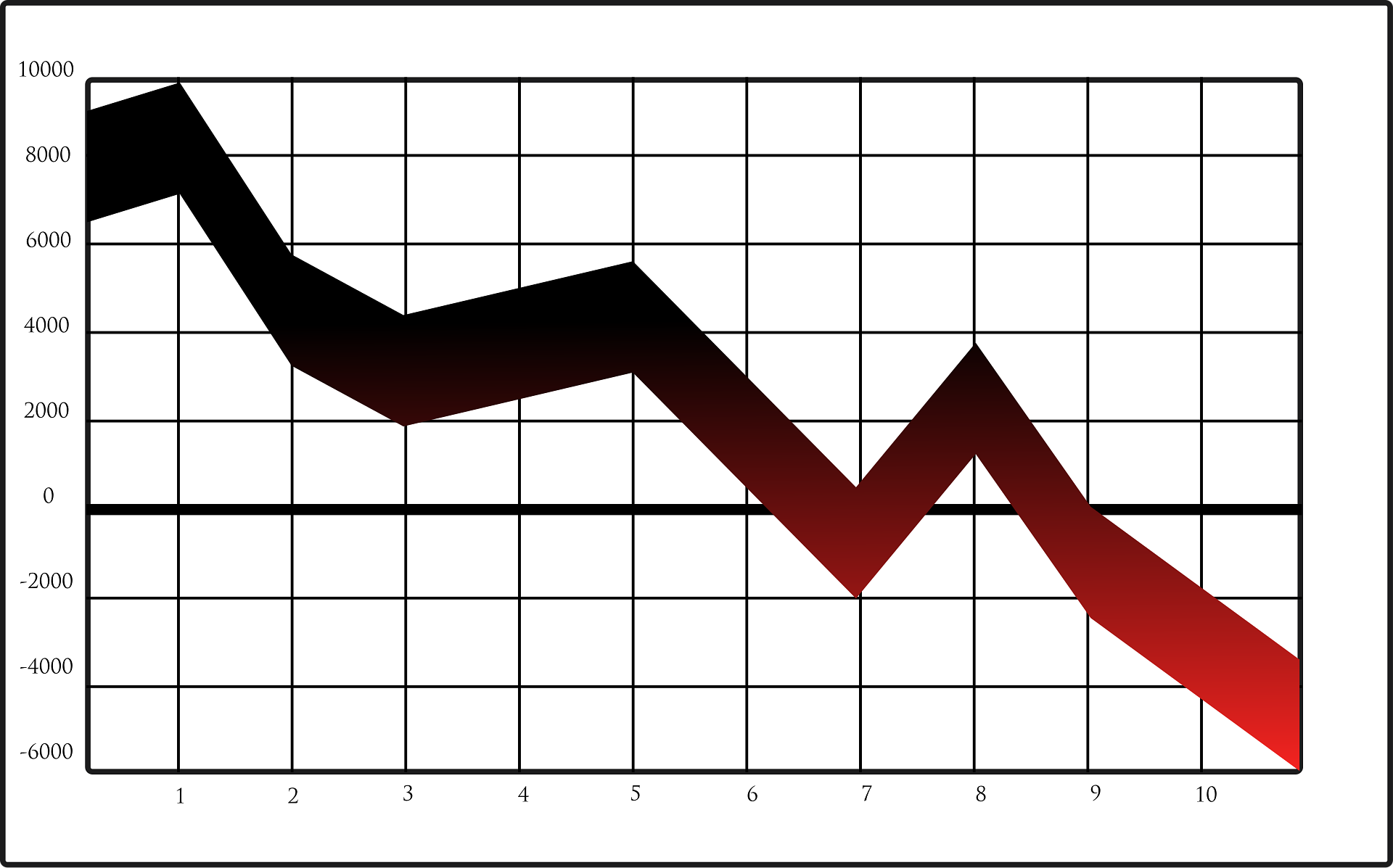
It’s not the most cheerful topic, but it’s an important one, businesses rarely get into difficulty because they failed to plan for success. More often, problems arise because nobody stopped to consider what might happen if circumstances changed. A 20% Drop Doesn’t Require a Disaster, when people think about falling sales, they often imagine something dramatic – a recession, a major market shock, a global pandemic!
In reality, a 20% reduction can happen surprisingly quickly, your key customer might take work elsewhere, a large contract might come to an end or a major project that was expected to start this quarter could be delayed until next year. None of these situations are particularly unusual, and none necessarily mean there’s anything fundamentally wrong with the business. The problem is that even a temporary dip in revenue can create pressure if the business isn’t prepared. The question isn’t whether sales will ever fluctuate, every business experiences ups and downs, the real question is whether your business could absorb the impact without panic.
It’s Not Revenue That Causes Problems
One of the surprises for many business owners is that a 20% reduction in sales doesn’t usually translate into a 20% reduction in profit often the effect is much greater. That’s because many costs don’t reduce when revenue falls, rent remains the same, software subscriptions continue, business insurance doesn’t suddenly become cheaper, and salaries still need to be paid.
As businesses grow, it’s easy for overheads to increase gradually without anyone paying too much attention. Individually, each decision seems reasonable, another software system here, an extra team member there, a larger office because the business needs the space. Then sales slow down, and suddenly those fixed costs become a lot more noticeable. A business that appeared comfortably profitable can find itself under pressure far more quickly than expected.
Cash Is Usually the Real Test

During prosperous periods, many businesses focus primarily on revenue and profit, when trading becomes more difficult, attention almost always turns to cash. Businesses with healthy cash reserves have options, they have time to review costs, explore opportunities, adjust their plans and make sensible decisions. Businesses with little or no cash buffer often find themselves reacting under pressure, which is why relying solely on your bank balance can be dangerous. The balance tells you where you are today, it doesn’t tell you what your position is likely to be in three months’ time if sales continue to soften or a major customer pays late. Understanding future cash flow is often far more important than knowing today’s bank balance.
If Sales Fell Would You Spot the Problem Early Enough?
Perhaps the most important question isn’t what would happen if sales fell by 20%, it’s whether you would know it was happening soon enough to do something about it. Many business owners only become aware of an issue when cash starts to feel tight, by that point, the underlying problem may have been developing for several months.
This is where good management information becomes invaluable, a monthly set of management accounts won’t prevent sales from falling, but it will help you identify trends before they become serious problems. Turnover, gross profit, cash balances, debtor days and cash flow forecasts can all provide valuable clues about the direction of travel. When those numbers are reviewed regularly, owners can make informed decisions based on evidence rather than instinct.
Unfortunately, many growing businesses still rely largely on year-end accounts, the trouble is that by the time those figures arrive, they can be many months out of date. They may explain what happened, but they’re unlikely to help you change what happens next.
The businesses that tend to navigate difficult periods most successfully are not necessarily the ones with the highest turnover, they’re the ones that understand their numbers and review them consistently.
Planning Creates Confidence

None of this is about pessimism. Asking difficult questions isn’t meant to cause unnecessary worry. Therefore, it shows how resilient your business is.
If sales fell by 20%, would you know the impact on profit? Would you understand what it would do to cash flow? Would you know which costs could be reduced, and which would remain? Most importantly, would you spot the issue early enough to take action?
These are exactly the questions that good management information should help answer.
By reviewing meaningful financial information every month, business owners can move from reacting to events to anticipating them. That doesn’t guarantee challenges won’t arise, but it usually means fewer surprises, better decisions and far less firefighting.
The Bottom Line
Business owners can’t control every customer decision, market change or economic challenge that comes their way. What they can control is how prepared they are. The strongest businesses are not always the fastest growers. They understand their numbers, plan ahead, and have the confidence to deal with whatever comes next. This approach builds resilience.
Occasionally, one of the most valuable questions you can ask is this. What would happen if sales fell by 20%?
SERVICES
LATEST NEWS
CATEGORIES
- Blog (177)
- Business Advice (74)
- Just For Fun (19)
- Tax Tips (53)
- Video (8)